What’s interesting when you scroll on social media is that you don’t really have time to...
Hair Across Borders
Hair Across Borders brings together the ways hair is understood, cared for, and expressed around the world. You’ll move through rituals that shaped entire regions, gestures that carry meaning in specific communities, and everyday practices that reveal how culture lives through hair. Some traditions focus on protection, others on symbolism, and many blend practicality with ceremony.
In this section, you’ll encounter styles that speak without words, grooming habits tied to belief systems, and regional techniques refined across generations. Each article highlights how climate, resources, and cultural values shape the relationship people build with their hair. Hence, you’ll see why the same gesture can hold comfort in one place and reverence in another.
Rather than offering a single definition of beauty, Hair Across Borders invites you to observe the differences that make global hair culture so complex. You’ll read about rituals that persist, meanings that adapt, and interpretations that vary with place and tradition. Through these pieces, hair becomes a cultural map—one that shifts as you explore it.
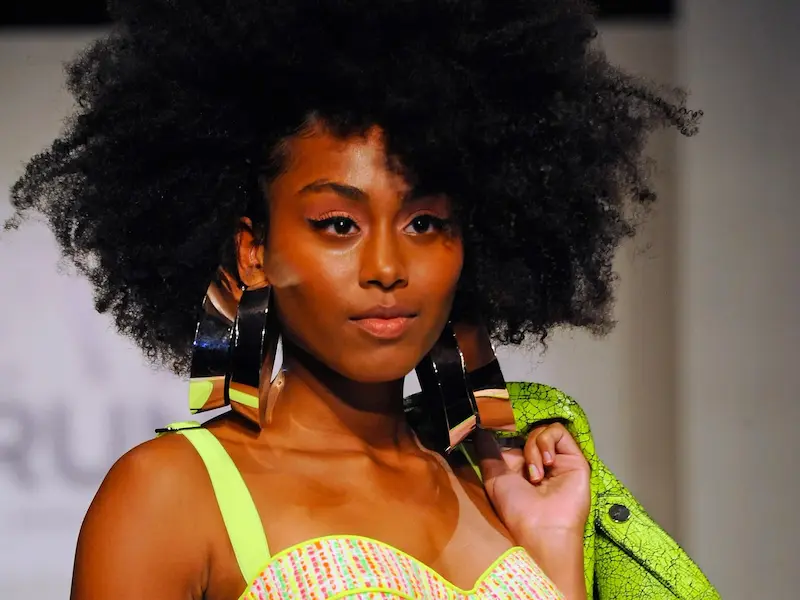
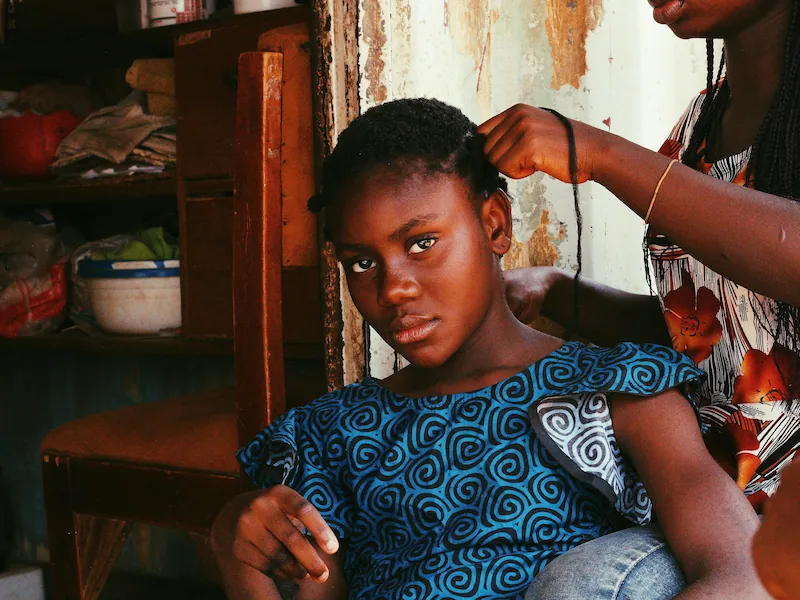
There are archives built from paper, and others built from skin. Hair identity and belonging live...
Migration scatters more than bodies, it fractures infrastructures of care. In the suitcases of the Caribbean...
How does migration affect the way people care for their hair?
Migration reshapes routines because daily life shifts with climate, water quality, and product availability. Someone accustomed to soft water may suddenly face hard water that alters texture or moisture retention. Likewise, familiar ingredients might be difficult to find, encouraging new combinations or substitutions. These adjustments happen gradually, guided by necessity rather than preference.
Moreover, social context influences grooming. A style that carries cultural meaning at home may be read differently in a new country. People sometimes adapt their looks to avoid misinterpretation or to feel more comfortable in public spaces. Others hold firmly to their original routines as a way of keeping continuity.
Hence, hair care becomes part of navigating new environments. The routine may change, but the intention behind it often stays the same: maintaining comfort, honoring habits, and preserving identity while adjusting to a new landscape. Hair becomes one of the first places where adaptation becomes visible.
Why do hair rituals vary so much from one region to another?
Rituals shift because every region carries its own environment, materials, and cultural priorities. Climate influences how hair behaves, which shapes the tools and ingredients people rely on. Likewise, belief systems guide grooming choices, from weekly washes to ceremonial preparations reserved for milestones or transitions.
Local plants, oils, and techniques develop naturally when communities adapt to the land around them. In turn, these practices gain symbolic weight and become part of collective memory. Thus, a ritual that appears simple—like oiling, clipping, or wrapping—can reveal deeper values tied to heritage, spirituality, or protection.
These differences do not compete with one another; they map how human experience diversifies across borders. Rituals evolve because cultures observe their needs and respond with gestures that carry both purpose and meaning.
How do different cultures use hair to express meaning or identity?
Hair often becomes a visual language, shaped by the values of each region. In some cultures, specific styles announce life stages, while others use grooming to mark celebration, protection, or mourning. Certain communities weave meaning through braid patterns; others rely on oils, ornaments, or texture to communicate status, spirituality, or belonging.
These gestures rarely appear dramatic; they grow from daily habits, local resources, and traditions that move quietly through generations. Hence, the same action—cutting, covering, braiding, or dyeing—can hold different significance depending on where it lives.
Through these variations, you see how hair becomes more than aesthetics. It reflects how people understand themselves, how they relate to their community, and what they choose to honor or preserve. Each region builds its own vocabulary through touch, rhythm, and intention.

