
Giving birth is often described as a miraculous experience, and it is. Yet alongside the joy, many women face an unexpected and unsettling visitor — postpartum hair loss. The experience is common, but that doesn’t make it less frustrating. Hormones drop, sleep vanishes, and your hair joins the chaos.
In this Beyond Hair & Culture piece, you’ll learn what actually causes postpartum hair loss, how hormonal shifts, stress, and nutrition affect it, and the most effective ways to support healthy regrowth without falling for quick fixes.
When postpartum hair loss begins, and what it really means?
You might notice it a few months after giving birth — hair in the shower, on the pillow, on your clothes. It feels endless.
That moment of panic has a name: postpartum hair loss. It’s your body readjusting. During pregnancy, hormones kept your hair in its growth phase, now they’ve dropped, and your scalp is simply catching up.
What you’re seeing is postpartum telogen effluvium, a temporary reaction triggered by hormonal shifts, stress, and lack of sleep. It looks dramatic, but it’s part of recovery.
How hormonal shifts cause postpartum shedding?
Before understanding hair loss after pregnancy, it helps to remember what made your hair feel so good while you were expecting. Each day, you lost fewer strands because your hormones were working overtime. Estrogen and progesterone kept most follicles locked in growth mode, making your hair thicker, shinier, and impossible to ignore.
In the third trimester, those hormones peak up to six times higher than usual, and your hair practically refuses to shed. Then comes birth, and the hormones plummet. The result is postpartum shedding: the hair that should have fallen months ago all decides to go now. It’s unsettling, but entirely normal.
This phase doesn’t mean your hair is gone for good. With consistent postnatal hair care, good nutrition, and time, hair regrowth after childbirth follows naturally. Your scalp just needs space to reset.
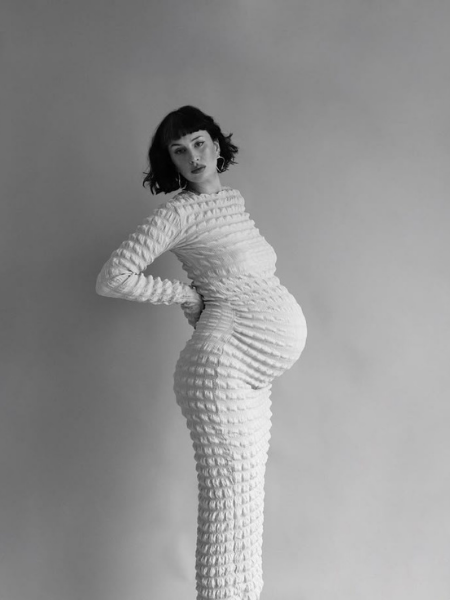
Why hair starts shedding after childbirth?
After childbirth, your hormone levels collapse, and your scalp reacts a little too honestly. The fall of estrogen interrupts the usual growth rhythm, pushing strands that stayed in place during pregnancy into rest mode. The result is postpartum hair loss — sudden, visible, and unsettling, but rarely permanent.
It usually appears around the third month and may last several months. This period, known as postpartum telogen effluvium, is a short chapter in your recovery, not a new reality. With consistent care and realistic patience, regrowth follows.
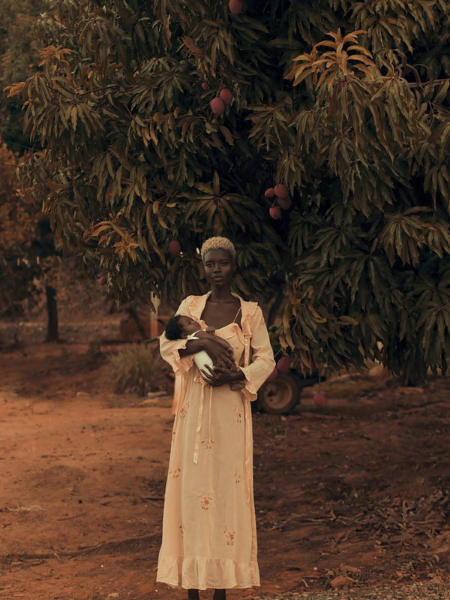
Hidden factors that worsen postpartum hair loss
The main cause of postpartum hair loss is the sudden drop in hormones after pregnancy. Yet hormones aren’t the only suspects. Other factors quietly make things worse.
Stress and lack of sleep
Stress shows up everywhere. It alters hormones, weakens the scalp, and slows recovery. When you live on interrupted sleep, your body prioritizes energy over hair regrowth after childbirth. Hormonal fluctuations rise again, and the cycle of shedding continues.
Nutritional deficiencies
Pregnancy drains your reserves. Iron, vitamin D, and essential fatty acids are often the first to fall. Without them, hair loses strength and shine. The follicles stay tired, and growth becomes slower.
These factors feed off each other. Stress changes appetite, poor meals drain energy, and fatigue keeps hormones unstable. To reduce postpartum shedding, focus on small things that help balance you back: proper meals, real rest when possible, and patience with your pace.
How to reduce postpartum hair loss without losing your sanity?
Postpartum hair loss is natural, but that doesn’t make it pleasant. One day you’re admiring thick pregnancy hair, the next you’re emptying the drain. The shedding phase can’t be stopped, but it can be softened. The right habits help your scalp recover faster and your patience last longer.
Think of this as postnatal hair care that actually respects your reality, not another perfect routine designed for eight hours of sleep.
A balanced diet
Hair needs fuel. Not green juices, but iron, zinc, vitamin D, and omega-3s from real food. A balanced diet it’s maintenance. When your plate looks alive, your hair usually follows.
Managing stress
Easier said than done. Stress walks in with the baby and rarely leaves. Meditation apps promise calm; reality gives you laundry and crying fits. Still, small breaks work. A walk, deep breaths, or simply silence for five minutes can lower cortisol and slow postpartum shedding. Here, it’s not about perfection but rather survival with better hair.
Use gentle hair care
Skip aggressive chemicals, daily heat, and tight hairstyles. Your hair is already on edge. Let it rest. Soft fabrics, mild shampoos, and lightweight oils are enough. Consistency does more for hair regrowth after childbirth than any miracle serum ever sold.
Establish a sleep routine
We know. The words sleep routine sound like a cruel joke. Babies don’t do schedules, and neither does exhaustion. But even small naps count. Close your eyes when you can, and don’t apologize for it. Real rest helps hormone balance and gives your scalp a fighting chance.
Take postnatal vitamins
Check with your doctor before taking any supplement. The right vitamins can fill nutritional gaps and support recovery, but they don’t replace sleep or food. Postpartum hair loss fades; patience and nutrients speed up the process.
Treatments that actually help with postpartum hair loss
You can’t rush postpartum hair loss, but you can make regrowth easier. Treatments exist, though not all of them deserve the same enthusiasm.
Minoxidil
Minoxidil, better known as “Rogain,” is a topical treatment often used for hormonal hair loss. Applied to the scalp, it stimulates follicles and helps extend the growth phase.
Results take time, and dryness usually follows.
If you’re breastfeeding, talk to your doctor first. Then, build a routine that keeps your scalp hydrated and your expectations realistic.
Food supplements
Biotin gets a lot of credit online. It’s a B vitamin linked to growth and shine, but evidence remains limited. Still, paired with a balanced diet, supplements can support hair regrowth after childbirth.
Just remember — nutrition matters more than pills, no matter what the label says.
Platelet-rich plasma (PRP) therapy
PRP sounds futuristic because it is. A few test tubes of your own blood get spun, refined, and reinjected into your scalp. The goal is to boost follicle activity and circulation.
Some research supports it, some doesn’t. It’s also expensive, so weigh the promise against your budget before you book the appointment.
Hair oiling
Before, during, and after pregnancy, a consistent hair oiling routine keeps your scalp flexible and nourished. Regular massages improve circulation and ease tension — two things postnatal hair care often forgets.
Our final takeaway
Around 90 percent of women experience postpartum hair loss, often between the third and sixth month after childbirth. The shedding can last several months but almost always reverses once hormones settle and nutrients rebalance.
For deeper insight into prevention, recovery, and long-term scalp health, explore our related reads in Understanding Hair Loss and Hair Growth Science.
Share this Beyond Hair & Culture piece with someone pregnant or already fighting the postpartum shedding war. Sometimes, perspective is the only treatment that works instantly.


