
Victorian England lived in black. Veils moved through crowded streets. Jewelry carried relics of the dead. Even silence had etiquette. Grief was visible, measured, and often expensive. Only some could afford the mourning traditions that defined their worth.
At the center of this ritual theater was hair. Intimate, resistant, impossible to decay. A single lock could outlast the body. It turned sorrow into something you could touch, wear, or display.
Today we post memories to keep the dead near. Victorians used hair as memory. They braided it into rings, sealed it in pendants, or wove it into mourning jewelry. Each strand became proof of love and loss, transforming private grief into public ritual.
Through these Victorian mourning hair rituals, absence became visible. Beyond Hair & Culture traces how these Victorian grief practices turned mourning into material, leaving behind mourning relics that still whisper of what love once tried to hold.
TIME STAMP
Victorian mourning: context and social codes
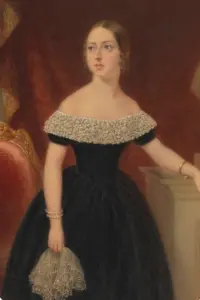
Victorian mourning wasn’t just about loss, it was about performance. The century turned loss into duty. Queen Victoria mourning customs shaped that duty after Prince Albert’s death. Her long widowhood built a model for every household to follow. The middle and upper classes obeyed most. Others adapted what they could. Grief became culture, with rank stitched into its fabric.
Black clothing marked the body. Heavy veils marked the face. Timelines marked the months of absence. To mourn “correctly” was to obey these mourning traditions. Even silence had etiquette. Jewelry carried coded messages. It spoke of loyalty, class, and reputation more clearly than words ever could.
This fixation on ritual gave loss its language. Within that language stood one relic that refused decay. Hair. More than strands, it was evidence. It preserved love when the body could not. Through these Victorian grief practices, hair turned emotion into artifact, visible and permanent, a truth the living could still wear.
THE TRADITION
Hair as relic: mourning jewelry and rituals
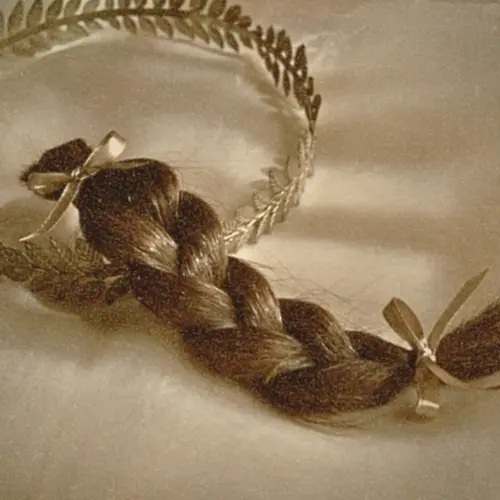
A lock of hair could outlast the body. Its permanence made it the perfect mourning relic. Victorians wove it into brooches and lockets. Some braided it into art, others into rings. Each strand carried weight. It was grief turned material, worn close to the skin.
The practice moved across class and gender. Wealthy families ordered intricate Victorian hair jewelry in gold or jet. The working class kept simpler relics, ribbons tied around a single strand. Women bore most of the duty. They wore grief daily, visible and disciplined, while men observed mourning in quieter ways. Through these rituals of grief, the body became the archive of loss.
THE MEANING
The symbolism of hair in Victorian grief
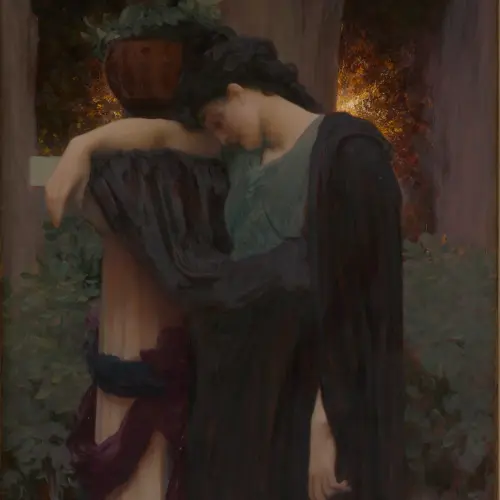
Hair was evidence. It proved love. It proved loyalty. It showed that grief did not end. Unlike the body, it refused decay. That permanence made it sacred in a culture devoted to remembrance. To wear it in public was to announce allegiance to the dead. It turned private sorrow into a visible mark of devotion.
Hair also carried social meaning. Femininity was bound to the labor of mourning. Class shaped every artifact. The wealthy displayed intricate weaves. Others kept simple lockets close. Through these Victorian grief practices, hair joined memory with matter, transforming loss into proof that could be seen, touched, and read.
THE LEGACY
The legacy of mourning rituals in modern culture
By the early twentieth century, the codes of Victorian grief began to fade. Mourning periods shortened. Jet jewelry lost its place. The weaving of hair relics into keepsakes slipped into silence. Death remained, but its gestures softened.
The urge to materialize loss never vanished. It only changed form. Today, digital mourning archives replace parlour relics. Saved messages, photos, and memorial posts stand where lockets once hung. The rituals of grief moved from velvet drawers to glowing screens.
A strand became a pixel. The locket became a profile we cannot erase. What Beyond Hair & Culture observes is continuity. Victorian mourning hair rituals survive in spirit, reshaped by time. The medium altered, the instinct stayed. Grief still insists on form, something to see when absence speaks too loudly.
FOOTNOTES
Every culture speaks its grief. Victorian mourning had its own language. To understand their rituals of grief, you must learn its vocabulary. These were not simple objects. They were keys to a world where loss was crafted, worn, and displayed.
Mourning jewelry
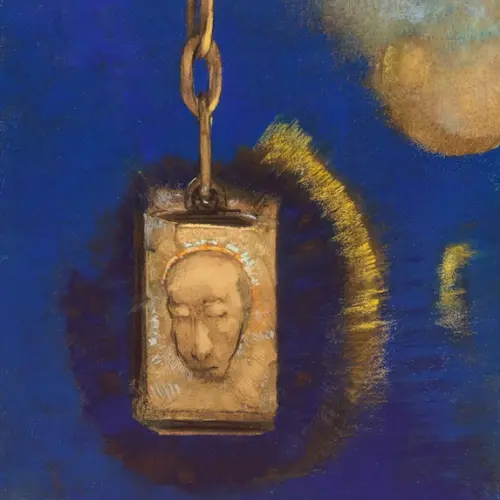
An adornment that carried emotion. Rings and lockets held braided strands of hair relics, pressed against the skin as proof of devotion. To wear one was to keep love visible. Some pieces glittered in jet or gold. Others were only ribbon and memory.
Memento mori
Latin for remember you must die. The phrase echoed through Victorian grief practices. It appeared on jet carvings, portraits, and embroidered lockets. The reminder was simple. Mortality was a truth to display, not a fear to hide
Hair art
A domestic ritual shaped by women’s hands. Strands were braided, looped, or arranged into intricate patterns. Some hung framed on parlour walls. Others lived inside brooches. Each was intimate labor that turned fragility into permanence.
Queen Victoria’s influence
Her mourning for Prince Albert became the Queen Victoria mourning customs others followed. Black veils and jet jewelry marked loyalty in public. Her sorrow set an example that defined how an era expressed death.
Materials of mourning
Grief had texture and tone. Jet, onyx, vulcanite, and black enamel built its palette. Above them all was hair, the most personal material. Jet marked solemnity, metal held endurance, and hair carried intimacy. Together they made mourning visible, weighty, and real.
Our final takeaway
Victorian mourning hair rituals show that strands were never just biology. They were testimony. Each braid, locket, or woven mourning relic turned grief into matter you could touch, wear, and preserve. It was loyalty materialized, a quiet oath made visible.
The gestures changed, the instinct stayed. We still archive loss. We still give memory a form. Beyond Hair & Culture follows this same thread through time — from Victorian parlours to the Y2K aesthetic, where hair and identity became another archive of memory and reinvention.


